
Artificial dyes are the talk of the world right now, and that’s because there is a movement across the United States to ban artificial dyes such that there will be no artificial dyes in our food by 2028. I don’t know any other word for that other than Hallelujah, but at the same time that I say that I am in my making everything homemade era. So, in reality, I am not really buying anything that would have artificial dyes in it any more anyways—other than candy. Sometimes I really want a piece of sour gummy candy and it is really hard to find ones that do not have artificial dyes in them. It’ll be nice when none of them have artificial dyes, and then, hopefully, we can attack the carcinogenic oils in foods. I digress though. Let’s get back to the artificial dyes discussion because that’s what we are here for.
First, artificial dyes are a color additive or food colorant that add color to food and drinks-albeit artificially. They come in liquid, powder, gel and paste form. They’re typically used to improve the color of something to make it more enticing to the eye, counteract any color that is lost due to the light, air, or other weather, and for other decorative purposes.
The most common dyes, which make up about 90% of the dyes used in the United States are the following:
- Red 40
- Yellow 5
- Yellow 6
Other dyes that are used in mainstream foods are:
- Blue 1
- Blue 2
- Green 3


Last year, the U.S. Food and Drug Administration banned Red 3 but that is not even on the list of most used dyes. Also, companies have until January 2027 to get Red 3 out of their food, which is not really anytime soon. So, I don’t think it is something to get all hyped up about. Red 3 is what gives foods an unnatural cherry red color. It has been known to cause cancer in rats for more than 30 years, so I am unsure why it was able to be used in our foods for so long regardless. Luckily, it was not one of the most common ones, and it is good it will be banned at some point. Generally, Red 40 is what replaced Red 3 in many instances because it wasn’t known to cause cancer in animals. That doesn’t mean though that Red 40 is good. It’s really not. It has been known to potentially cause tumors in mice. It also contains benzene, which is a known carcinogen.
I do hope that the Red 3 ban is the beginning of banning all other dyes by 2028, because that would actually be a step in making us a healthier country. In September of last year, California banned Red 40 from food and drinks in public schools. So, this is definitely a start in that direction, but you can still get Red 40 at the grocery store of Target.
And, generally, all of the dyes cause issues. The gambit of them contribute to memory and learning issues. Yellow 5 can cause irritability, restlessness, and sleep issues, and Yellow 5 and 6 are known to be contaminated with benzidine, which causes cancer and carcinogens. Blue 1 is associated with causing developmental delays and has limited nerve cell development in animals when tested. Green 3 has caused a large amount of bladder tumors in animals. All of this is so scary—especially when you think about how much dye children consume in sweets and drinks. They also love all of the bright colored foods, and almost all of those are coming from artificial dyes. And a lot of the damage from dyes is from the cumulative effect of them on your body, and this effect is compounded on small bodies like children.
The best thing we can do is avoid these dyes all together, because you have no idea how much dye is in each item you are eating. Companies are not required to list the amount in their ingredient list. However, I am not sure that really matters, because I think any amount is too much.
When looking at ingredients at the store, try to avoid items with the following ingredients:
- Red Dye No. 3
- Red 3
- FD&C Red No. 3
- Erythrosine
- Red Dye No. 40
- Red 40
- FD&C Red No. 40
- Alura Red AC
- Blue Dye No. 1
- Blue 1
- FD&C Blue No. 1
- Brilliant Blue FCF
- Blue Dye No. 2
- Blue 2
- FD&C Blue No. 2
- Indigotine or Idigno Carmine
- Green Dye No. 3
- Green 3
- FD&C Green No. 3
- Fast Green FCF
- Yellow Dye No. 5
- Yellow 5
- FD&C Yellow No. 5
- Tartrazine
- Yellow Dye No. 6
- Yellow 6
- FD&C Yellow No. 6
- Sunset Yellow FCF or Sunset Yellow
So what happens when you want to dye something, like eggs for Easter or cake for your child’s birthday? What do you do? There are luckily natural ways to dye food and drinks. Below are some ways that you can dye food naturally:
- Yellow > Turmeric or Curcumin
- Blue > Spirulina
- Red > Beet Powder or Paprika or Lycopene Powder
- Purple – Elderberry
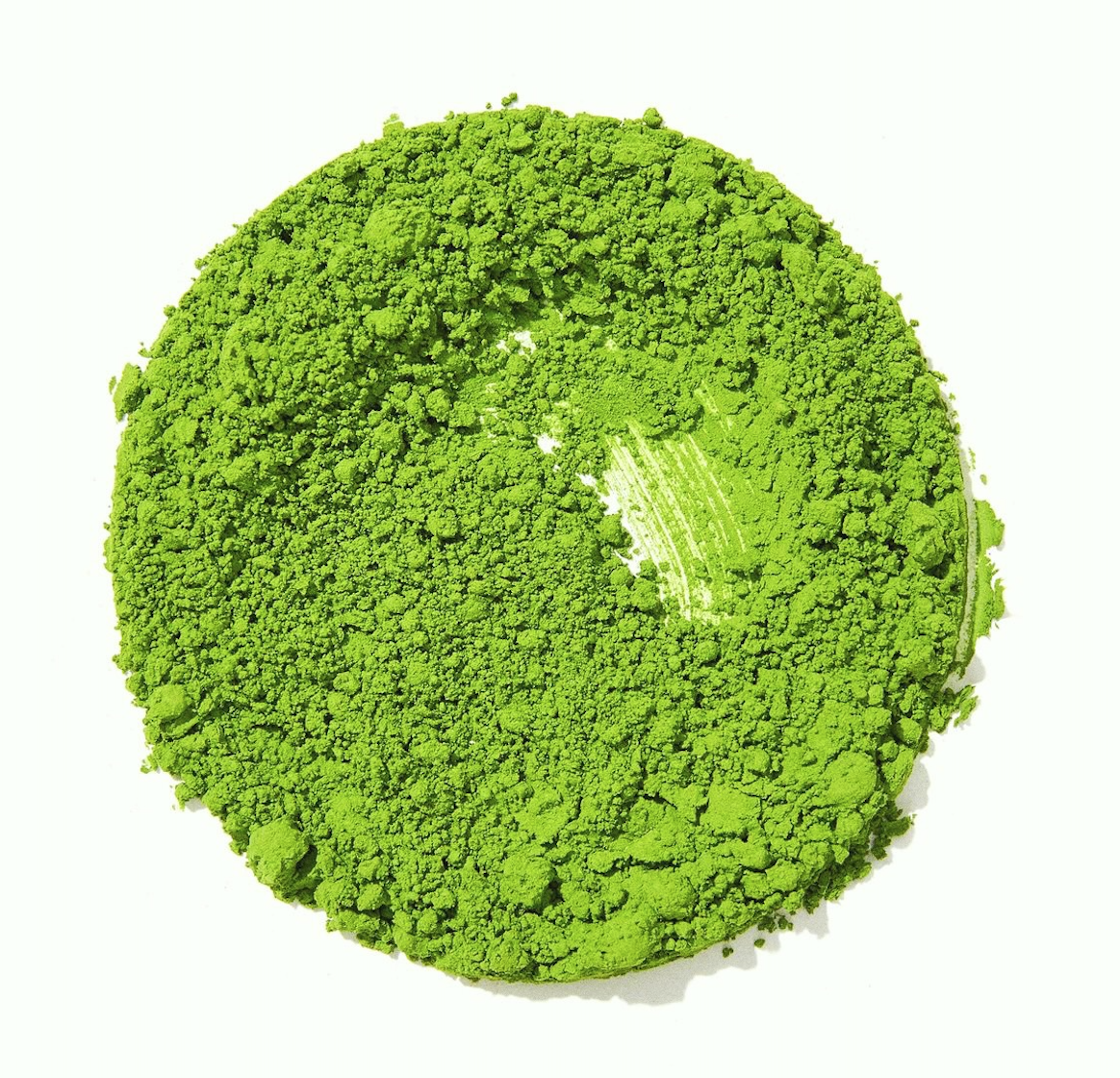
- Green > Matcha


Please be careful with these powders and liquids, because they are strong even though they are from foods and teas. They definitely can stain, which means that they can actually dye things well. That’s the plus. So, happy and healthy dyeing.
Here’s to be well preserved.
Always,
Taylor


